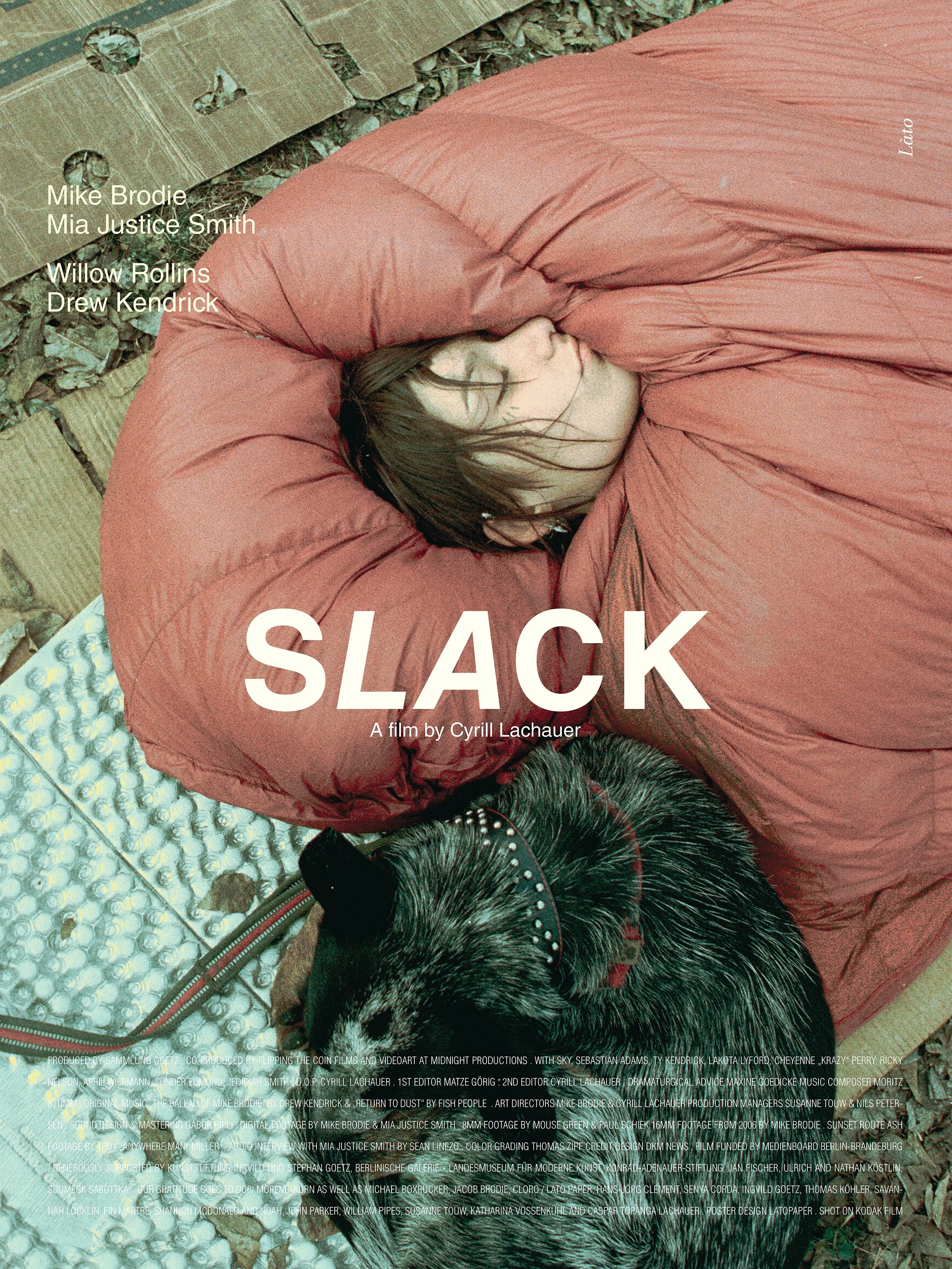
Slack (in progress)
Slack: An Analysis from a Social Movement Perspective
By Elijah Martin, Department of Sociology, Crandall University
There's a moment early in Slack — the ongoing film project by Mike Brodie and Cyrill Lachauer — when Mia Justice Smith sits doing her makeup aboard a moving freight train, and says, in voiceover, that she always knew her way of life was a problem. A necessary one, though. She saw herself as a sacrificial lamb: someone who had to fall so the rest of the world wouldn't have to.That image sets the tone for everything that follows.
Brodie has spent two decades documenting train-hopping culture, first through his photographs in A Period of Juvenile Prosperity, and now through this film, which follows his life and Smith's — and the friends and strangers who drifted in and out of it. Photographs, by nature, freeze a single beautiful frame and leave out everything around it. Slack exists to fill in what the pictures left out: the hours spent waiting for trains that never come, the hostility within the riding community itself, the drugs, the sex, the hollowness, the death.
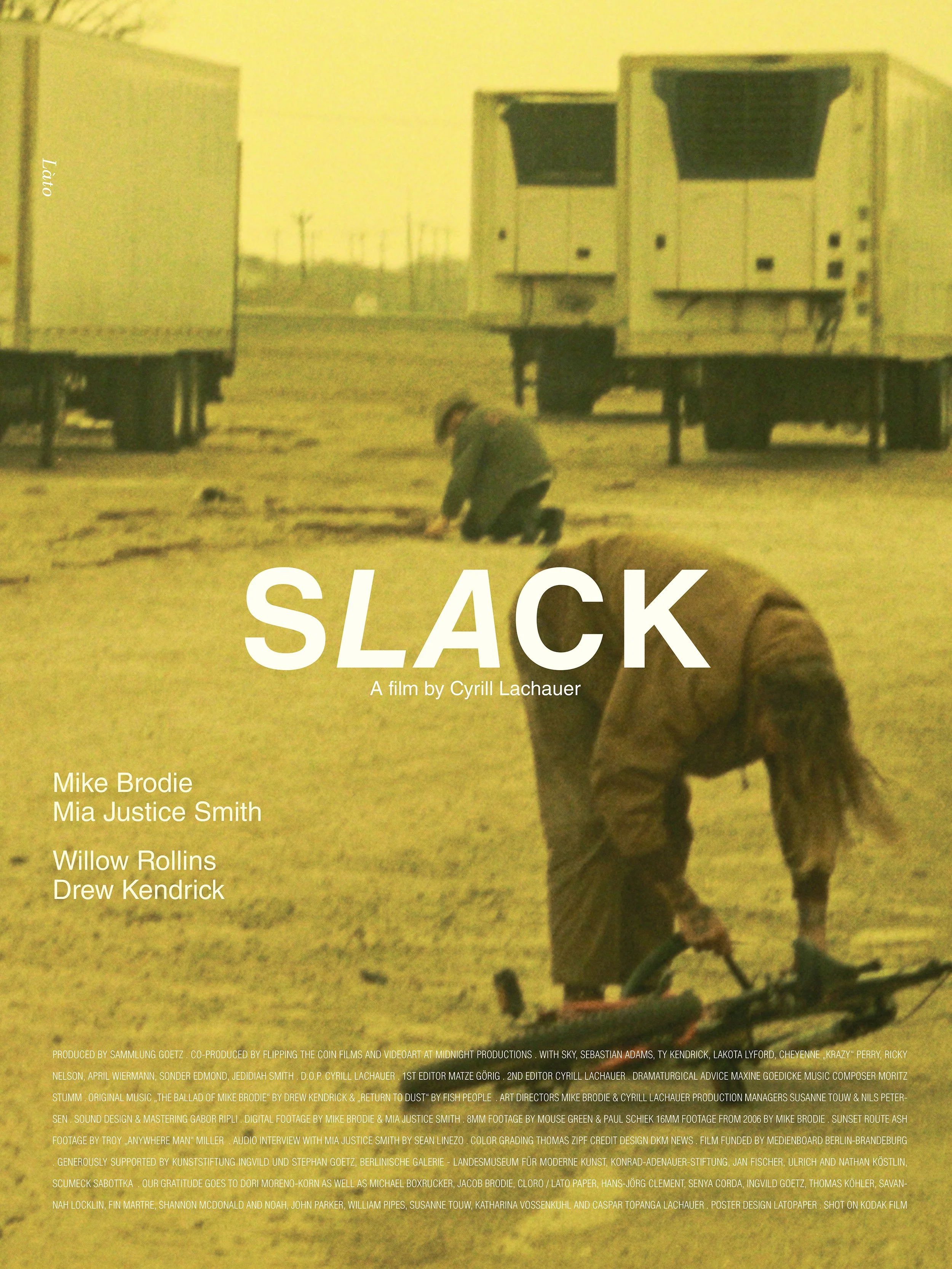
The film doesn't scold its subjects. It sympathizes with them. But it also refuses to let the romance stand unchallenged. Where writers and photographers before Brodie have painted train-hopping as freedom — boxcars as blank canvases for reinvention, escape scrawled on the walls — Slack keeps returning to what that freedom actually costs: broken families, confusion about identity, addiction with almost no off-ramp, friends who don't make it to thirty. Smith's own story becomes the film's spine. Brodie recalls her telling him she was "destined to be a mother or die a junkie." She died a junkie.
The back half of the film follows Brodie carrying her ashes to the places that mattered to her — an act of grief that doubles as an act of closure.And then something shifts. Brodie, worn down by a subculture he says runs on hatred of everything outside itself, starts looking for God. The cinematography changes with him — grittier, harder images give way to rivers, prayer, quiet conversations with strangers on the road. He says plainly that he no longer wants to feed the world's appetite for violence and sex and death. He wants beauty instead. It's not a rejection of the people he rode with; it's an offer of another way to live.
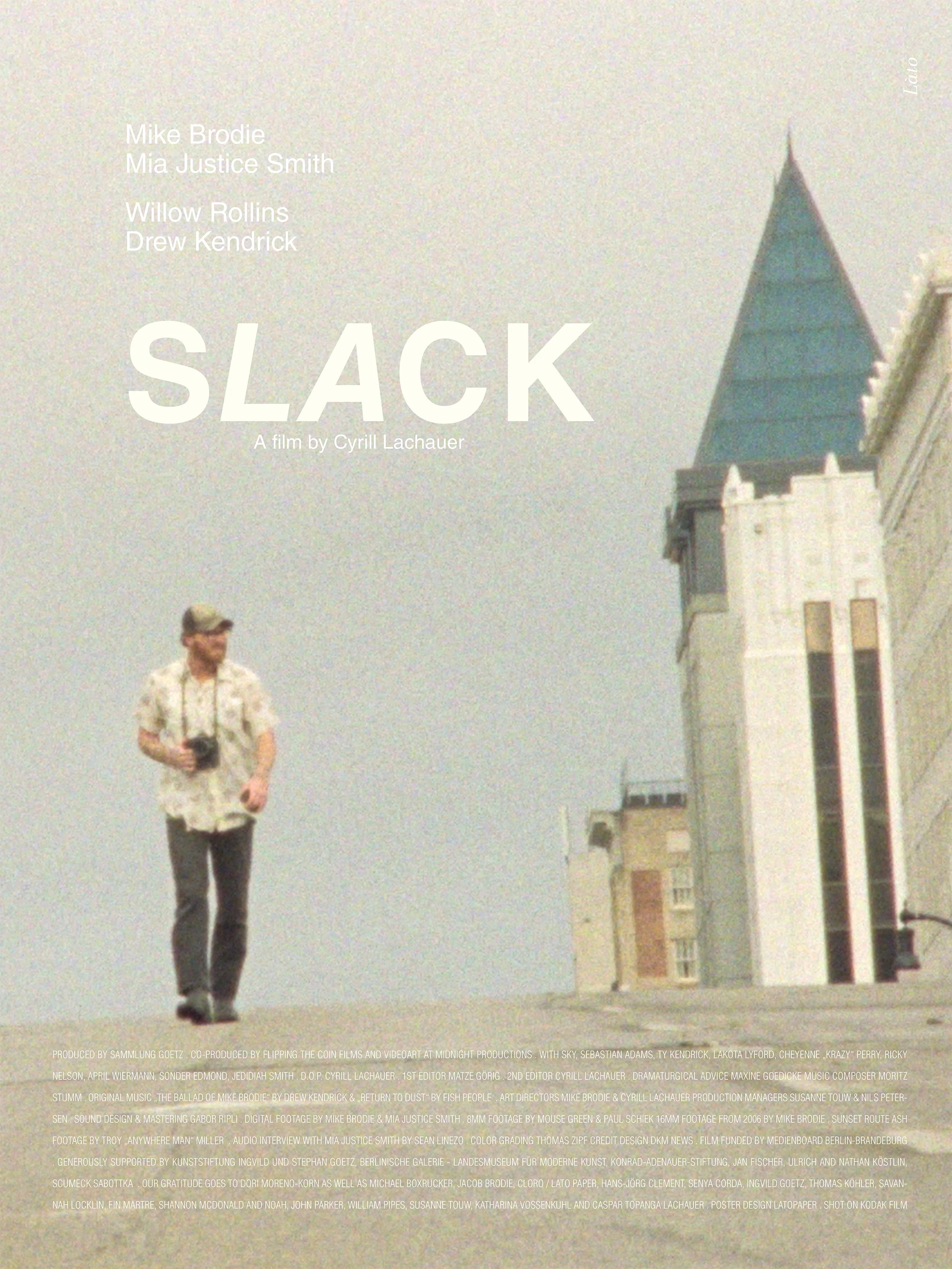
The film closes with Smith's voice one last time, describing life on the rails as a performance nobody really escapes — people trying to be someone else, chasing acceptance in the wrong places, only to grow up (if they get to) haunted by it. "This will never end for me," she says. The credits point viewers toward Shatterproof and Love in the Trenches, two addiction and grief support organizations — a quiet, almost understated call to do something with what you've just watched.
Slack doesn't lecture. It grieves, remembers, and gently points elsewhere. Whether that's enough to move anyone is an open question — the film is still finding its audience. But in an era that tends to aestheticize this kind of life into something enviable, Slack insists on sitting with the wreckage long enough to see it clearly, and then asks, quietly: isn't there something better than this?